


Type your search inquiry above
These bridges on the Auki–Fouia Road were replaced to deliver safer, wider, and climate‑resilient infrastructure for communities in Malaita Province.
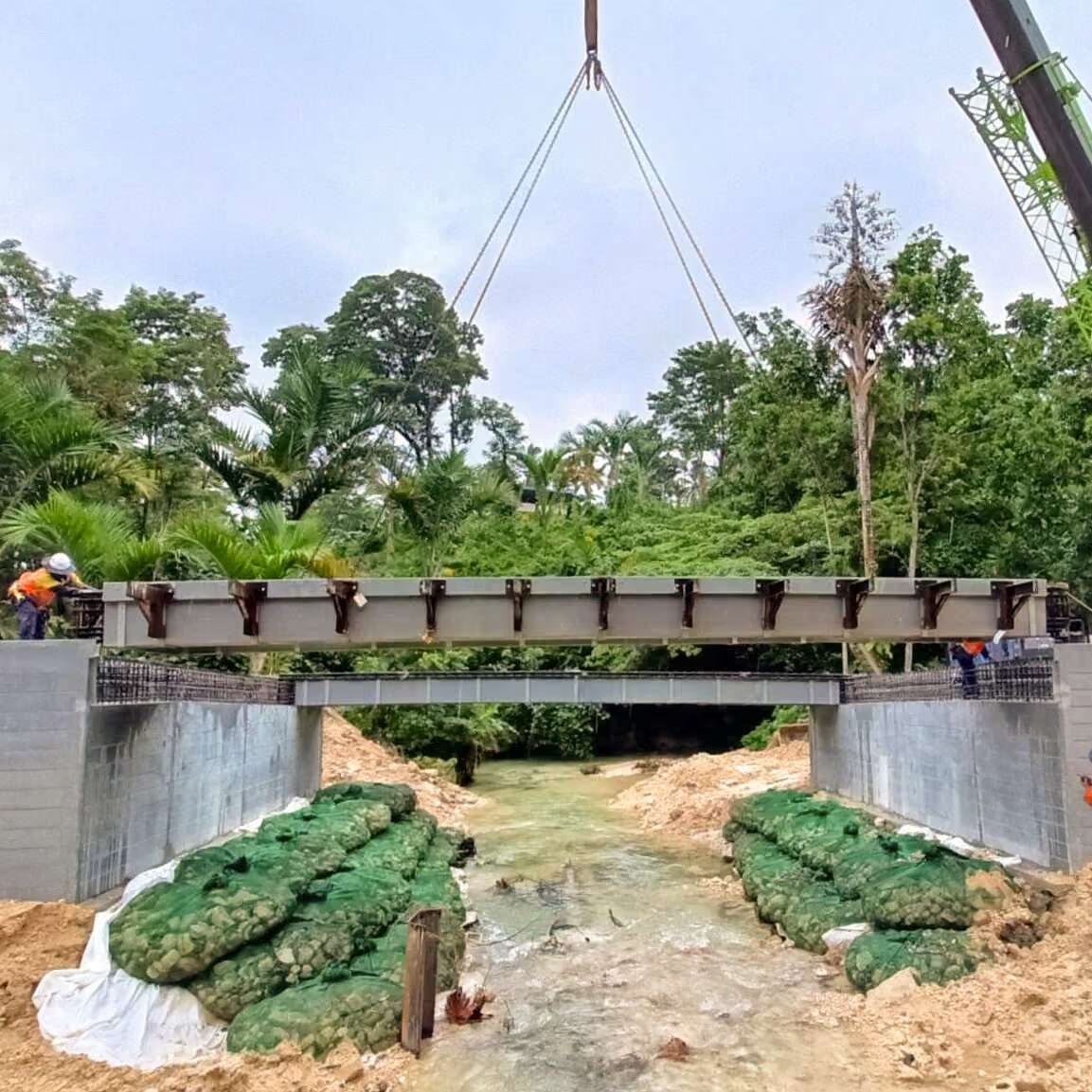
Both bridges replaced the deteriorated structures, improving the previous narrow widths, unsafe surfaces, and the lack of pedestrian access.
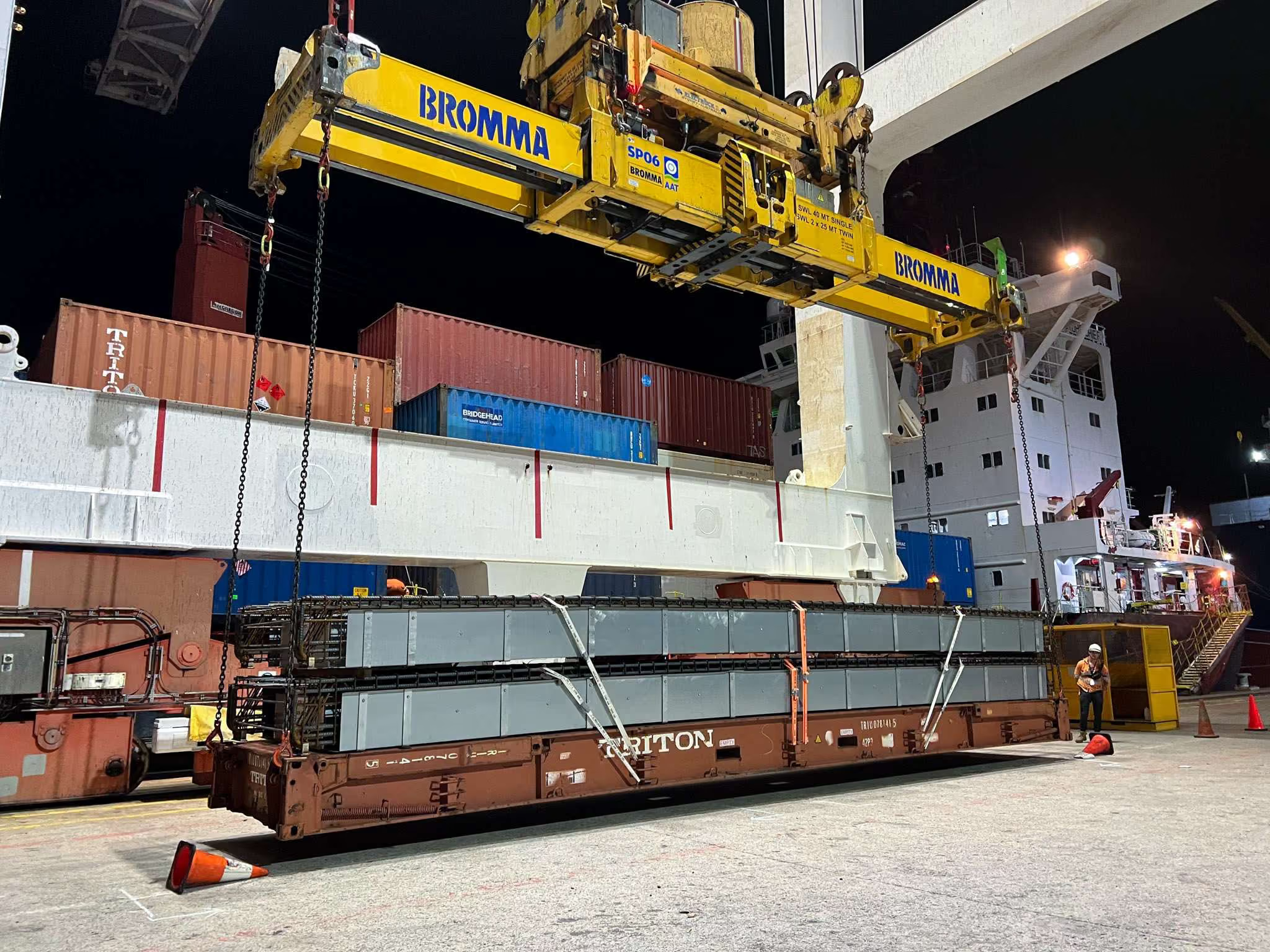
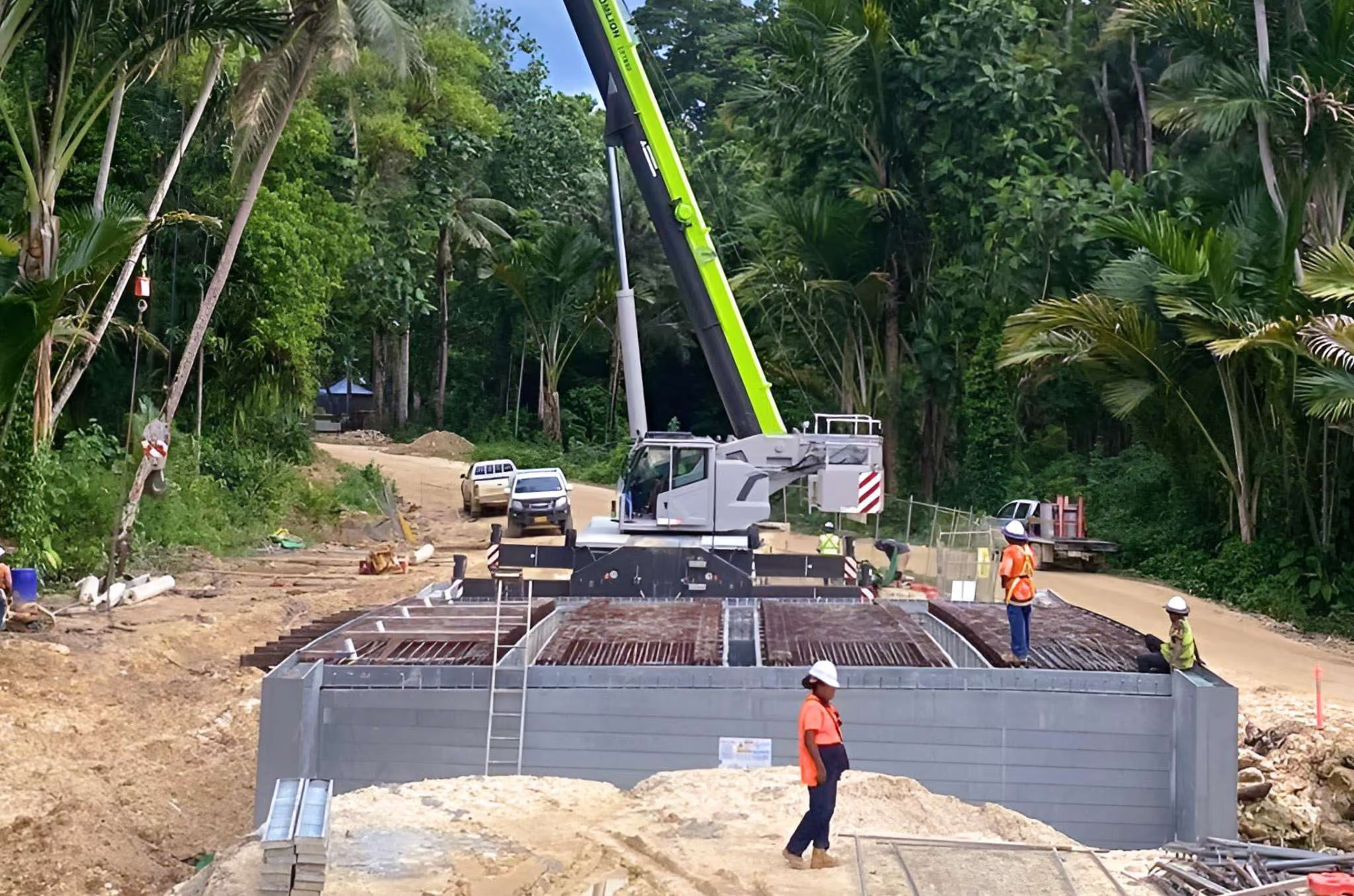
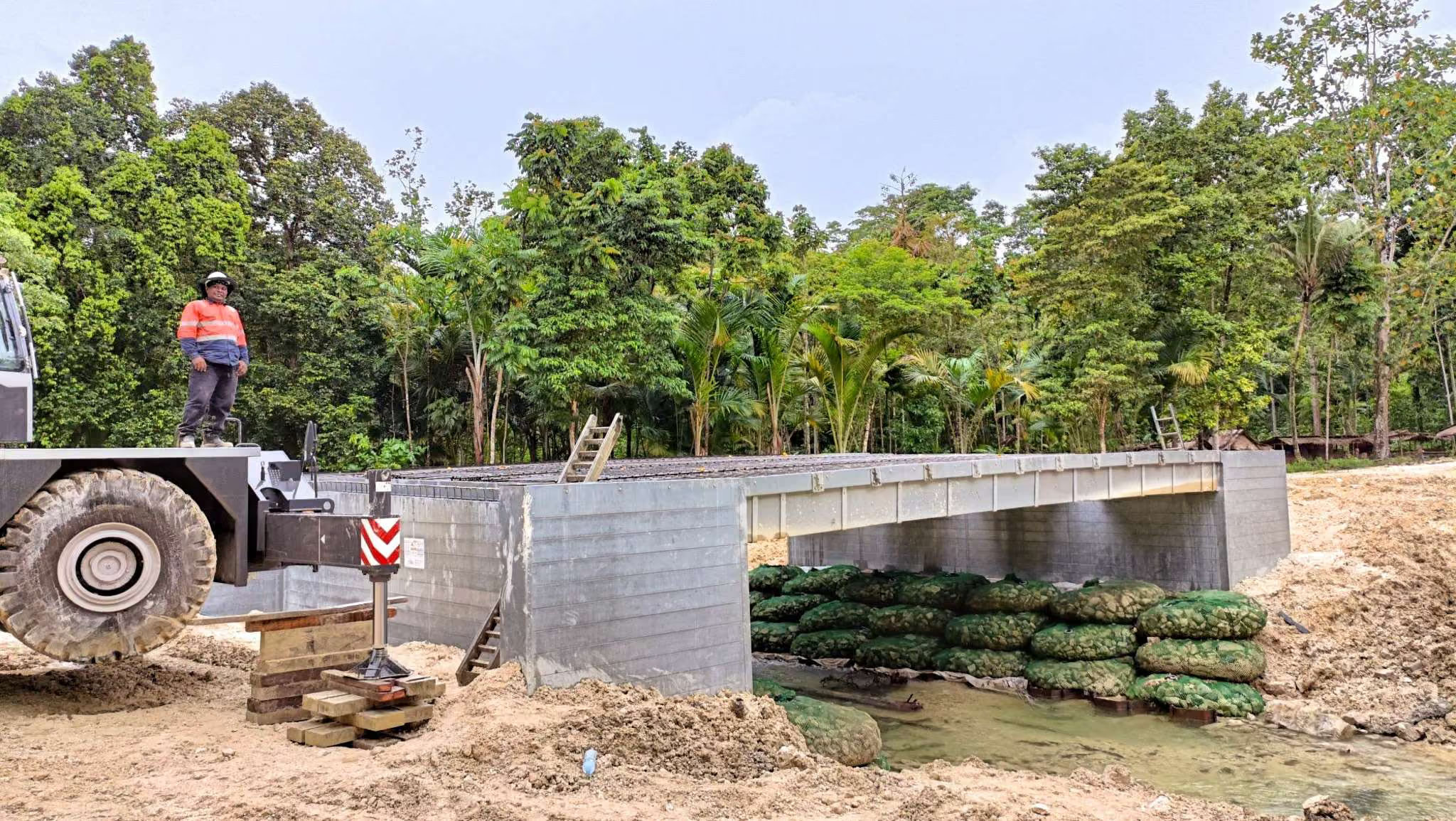
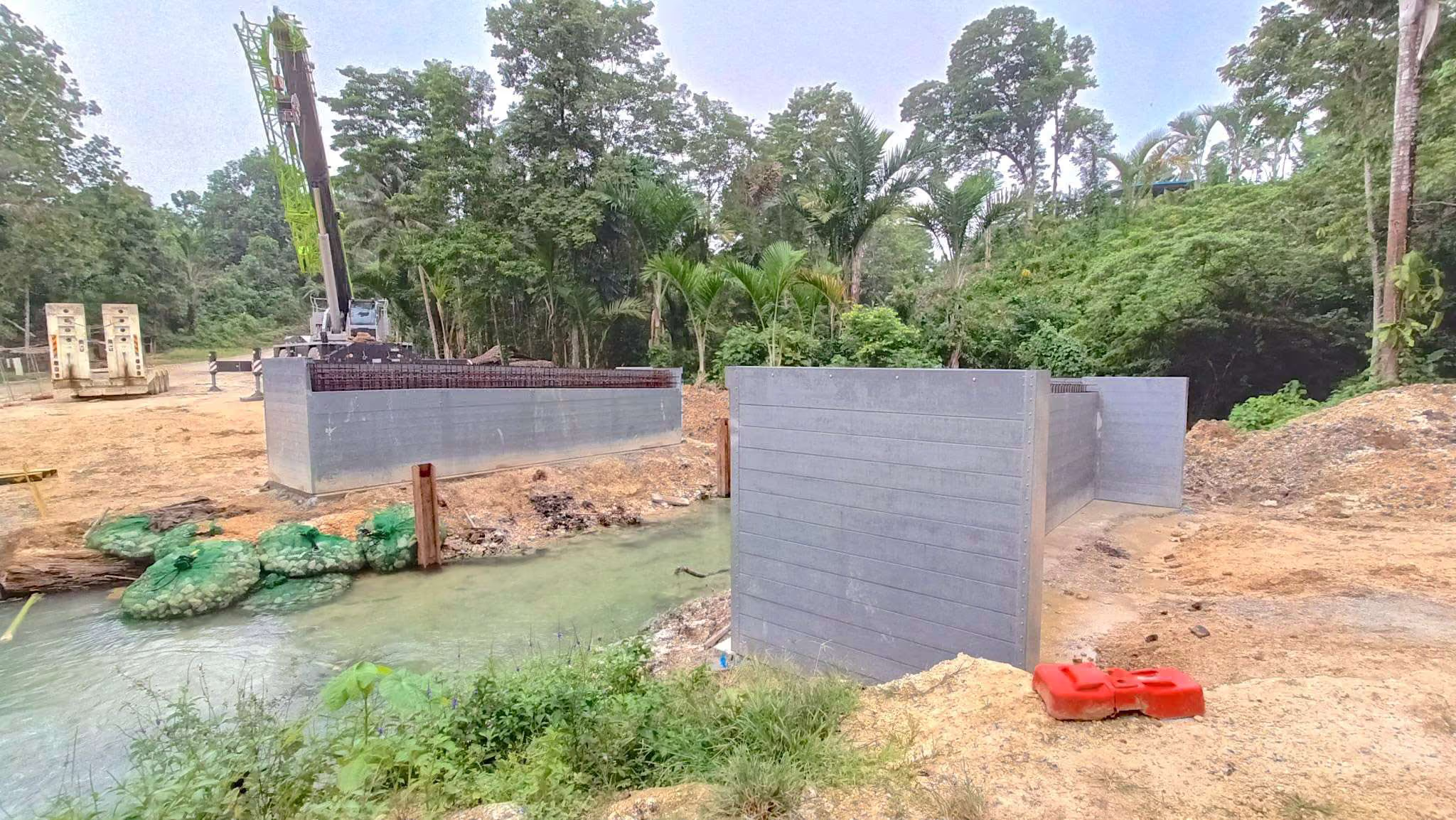

The Bio1 and Bio2 bridges sit along the Auki–Fouia Road in Malaita Province, approximately 14 km north of Auki and near the village of Buma.
The region experiences heavy rainfall, slippery road conditions, and river environments that demand resilient, safe infrastructure. Transport routes here are vital for connecting rural communities to services, markets, and schools.

The original bridges were narrow, structurally deteriorated, and lacked safety rails and pedestrian access, creating hazardous conditions for vehicles and children.
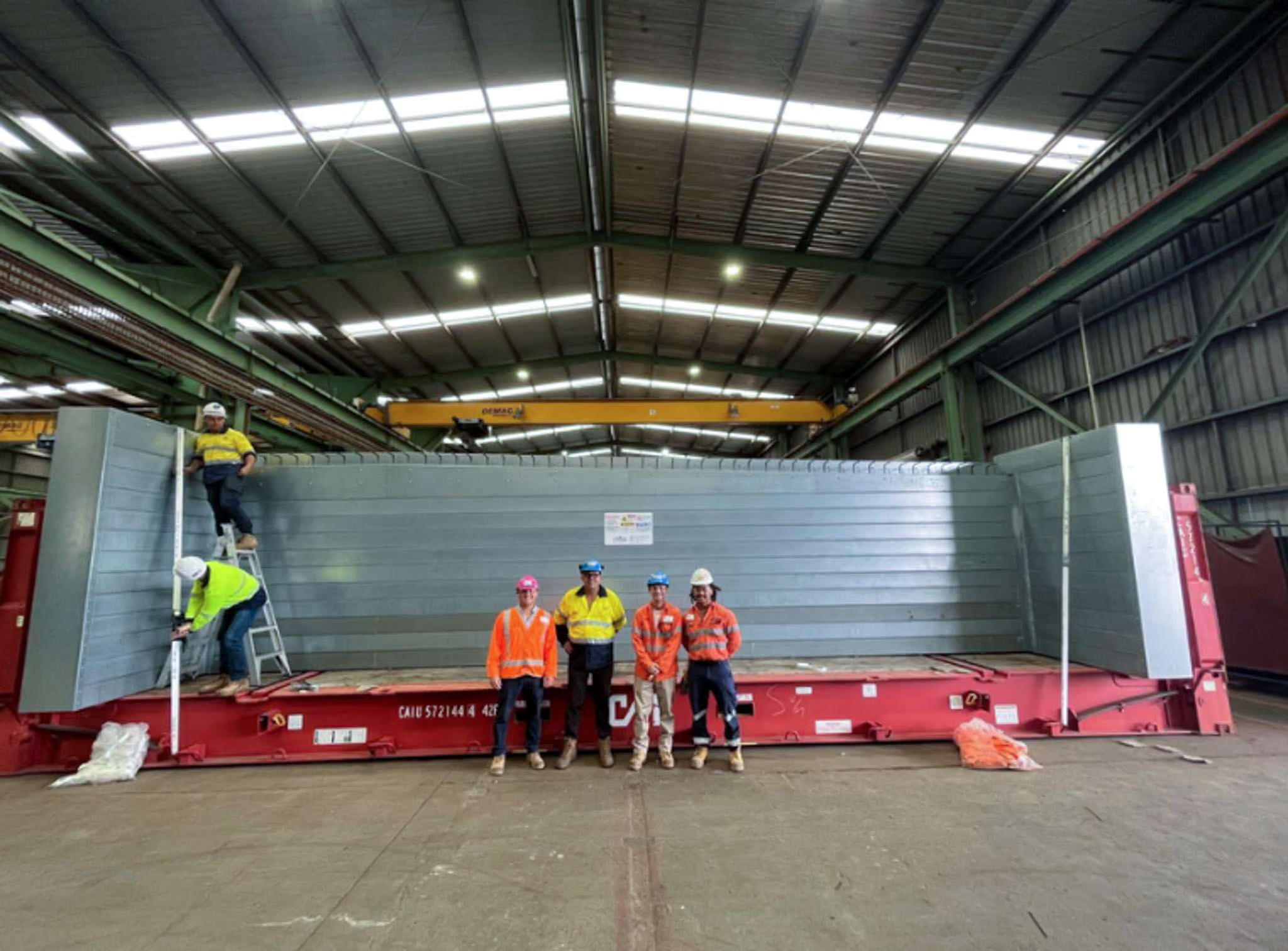
During wet periods, the bridge surfaces became dangerously slippery, increasing the risk of accidents. Transporting materials to Auki also required coordinated shipping, barge transfer, and careful handling due to the remote island environment.

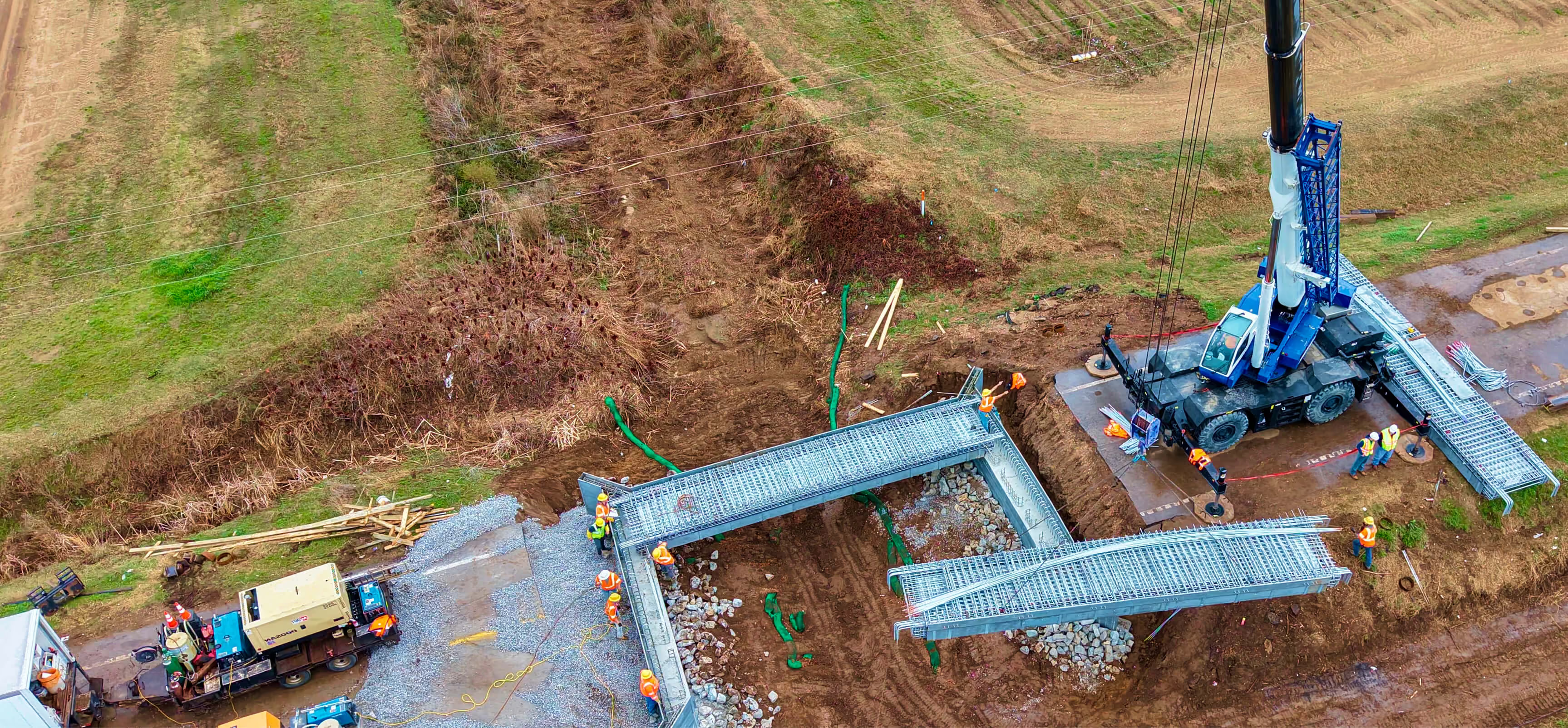
InQuik’s top‑down construction method protected the waterway, keeping it clean and safe for local use throughout the build.
Lightweight components and flexible installation allowed the contractor to use smaller cranes and local labor, improving efficiency and community involvement. The new integral bridges now provide long‑term safety, reliable connectivity, and disaster‑resilient infrastructure for Malaita residents
