


Type your search inquiry above
A uniquely staged bridge replacement that maintained uninterrupted access for the Tapitallee community while delivering a safer, more resilient crossing.
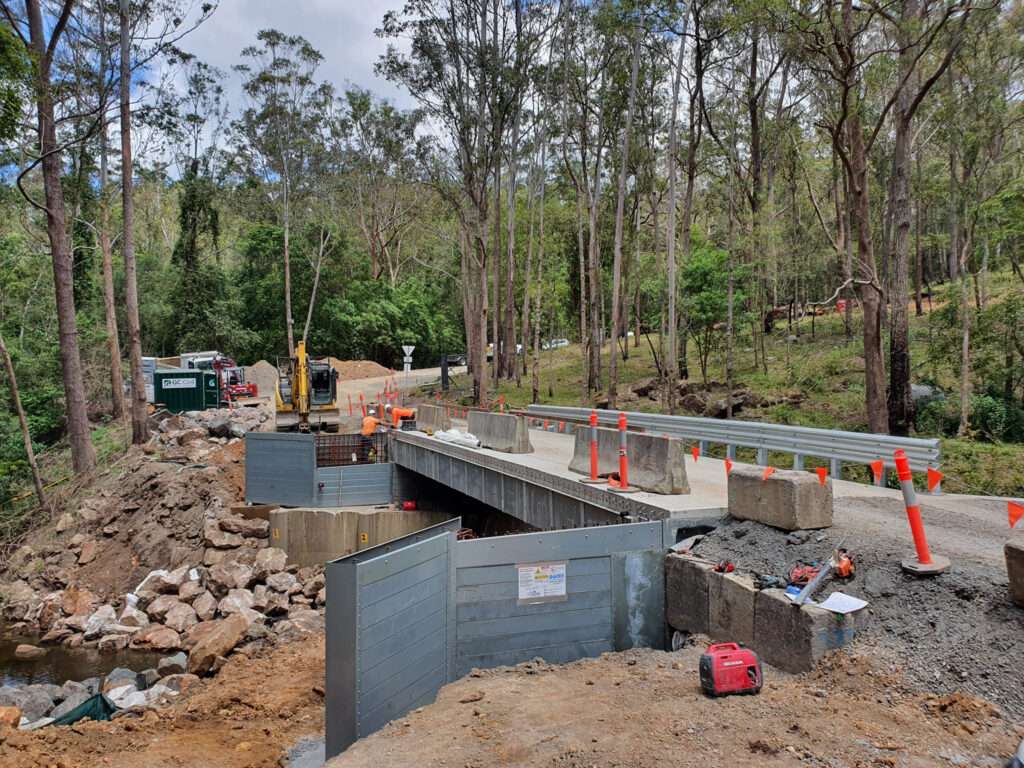
Faced with site constraints that prevented road closures or temporary diversions, the Koloona Bridge replacement was delivered in two stages, allowing traffic to remain operational throughout construction while creating a permanent, climate-resilient crossing.
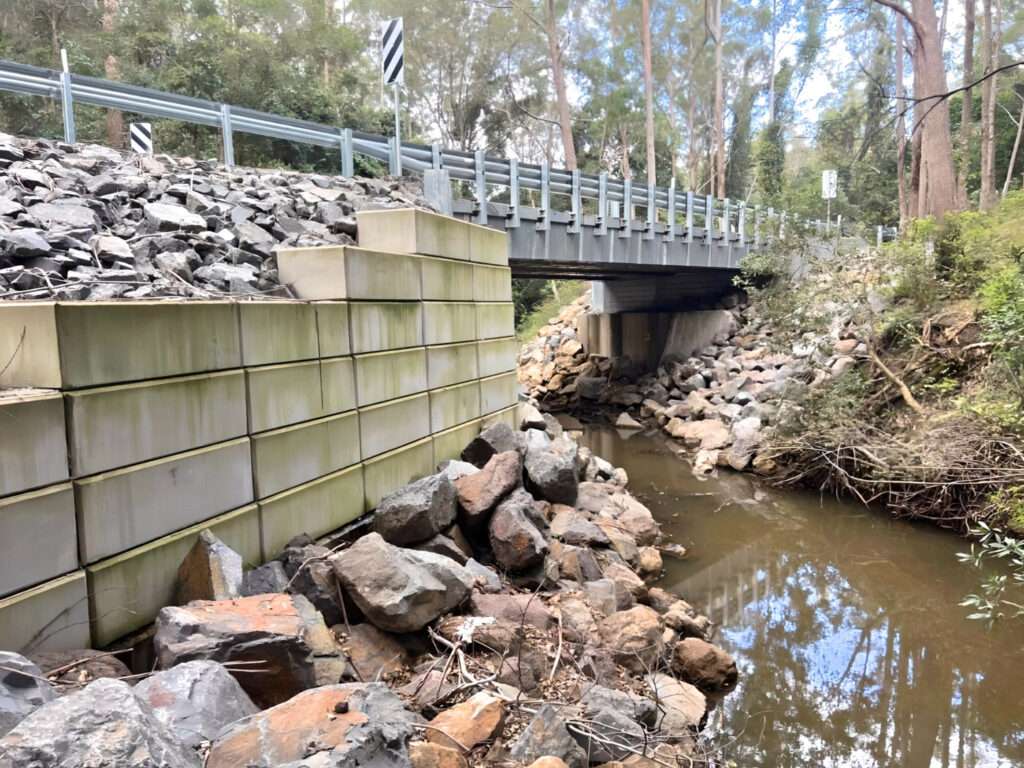
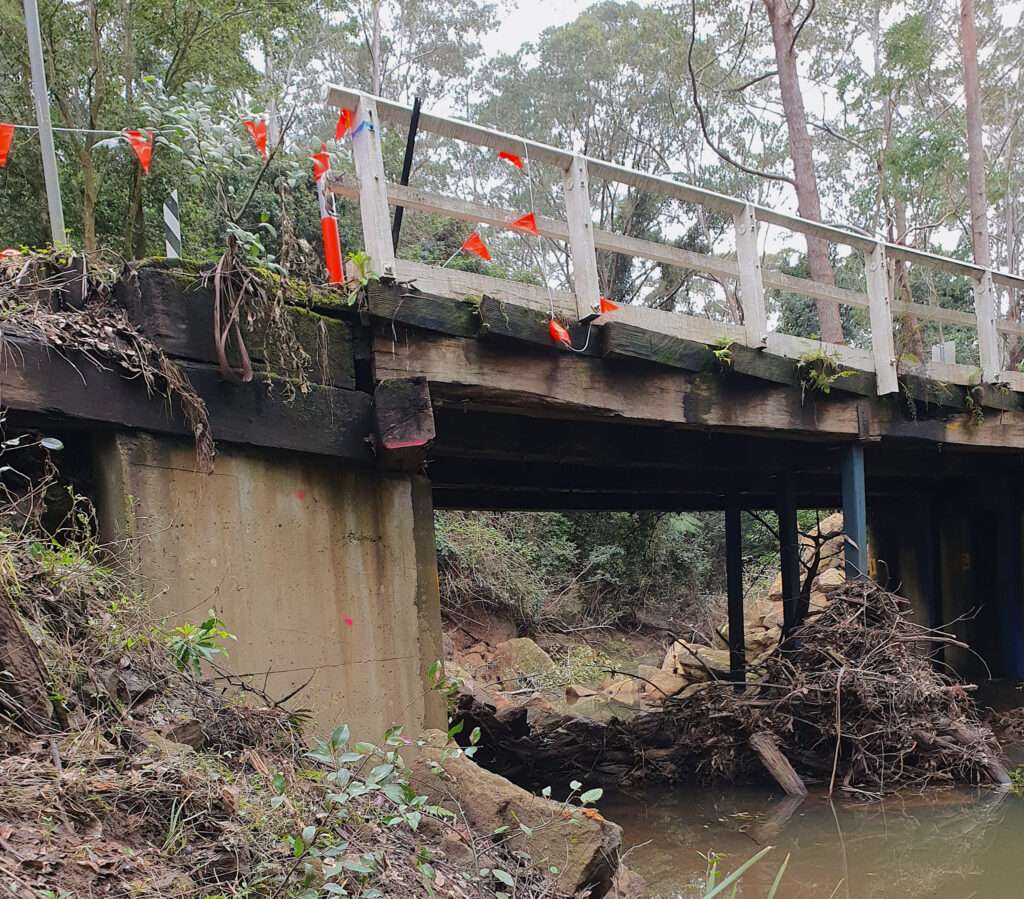
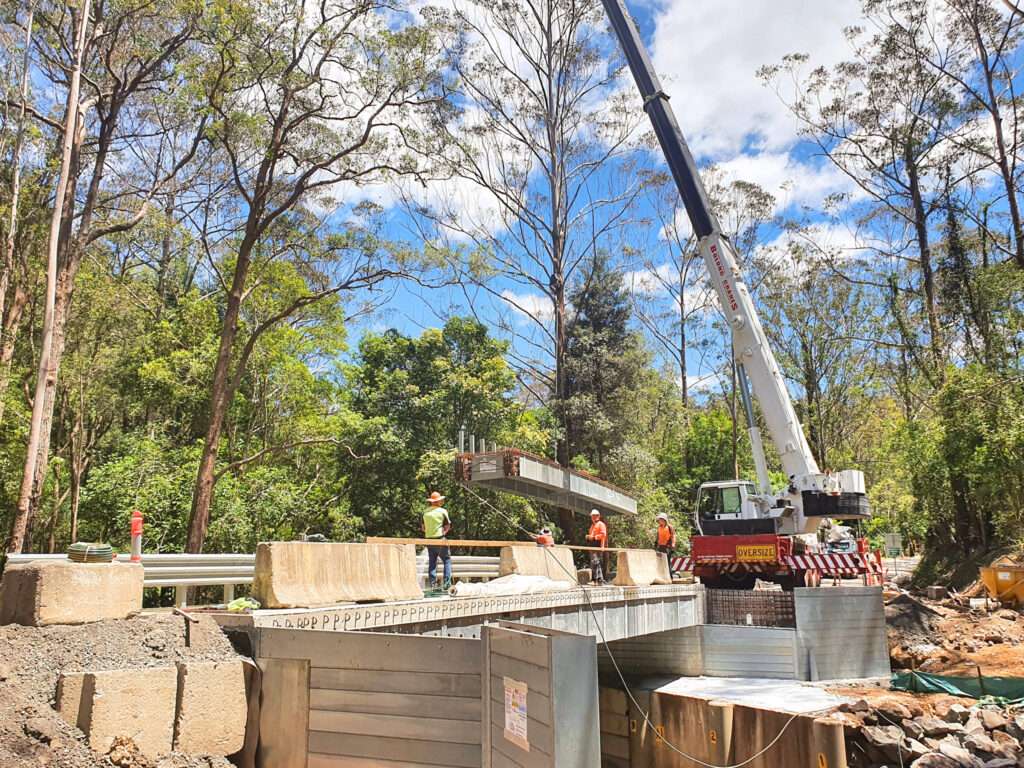
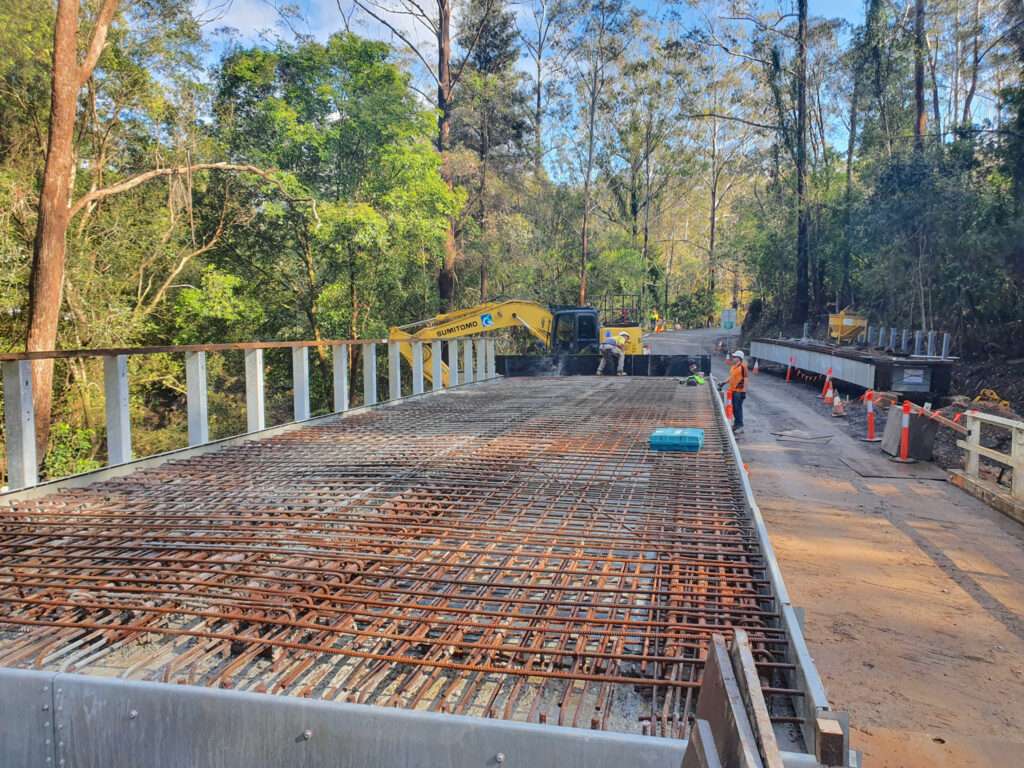
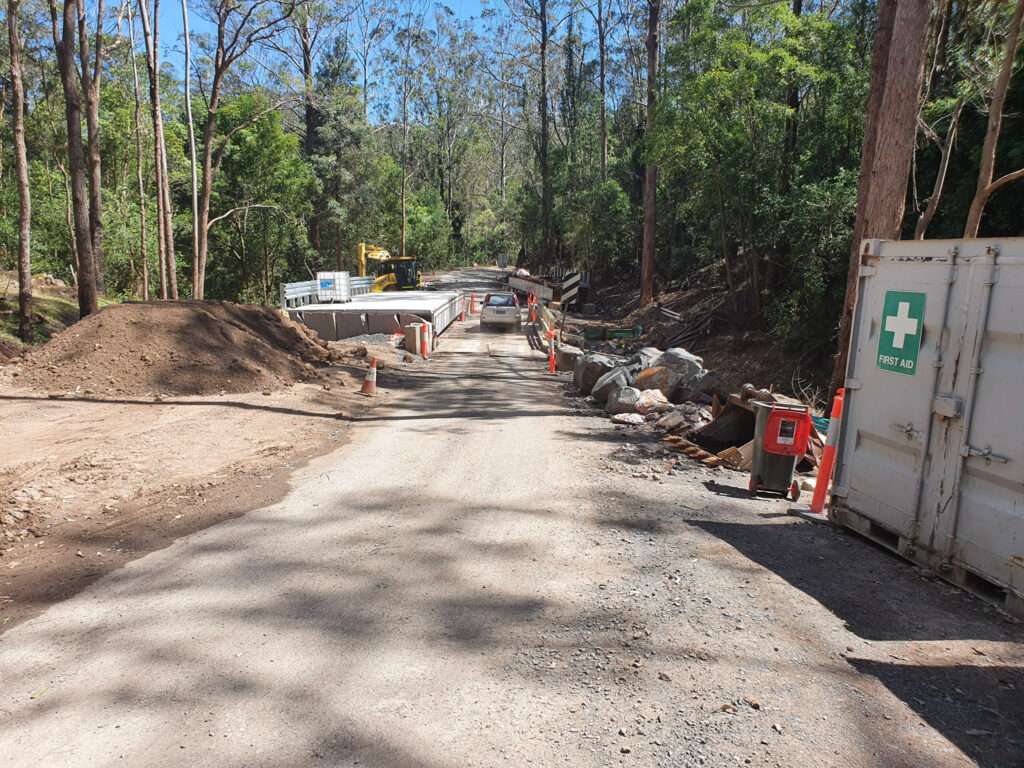
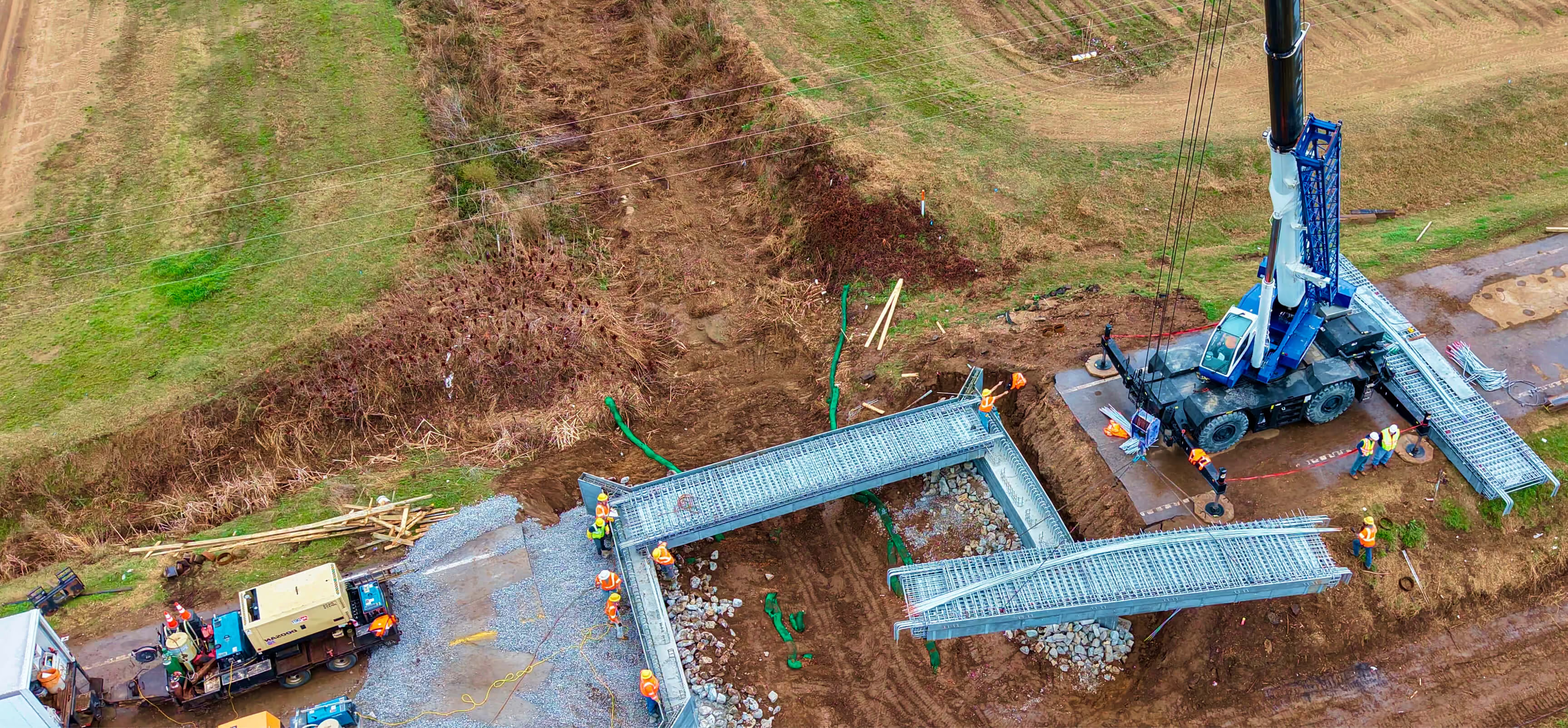

Koloona Bridge is located in Tapitallee within the Shoalhaven region of New South Wales, approximately 160 kilometers south of Sydney. The rural community relies on the bridge as a key access route for residents and daily travel.
Surrounded by natural landscapes, the area is known for its recreational opportunities, including bushwalking and local wineries. Maintaining reliable access for the community was a critical project requirement throughout construction.

The existing timber bridge needed to be replaced, but the site offered no opportunity for a temporary side track and could not be closed to traffic. In addition, the bridge's skewed alignment over the waterway required careful consideration during design and construction.
The staged replacement also involved the careful demolition of the existing structure while maintaining safe traffic movements. Further design refinements, including the addition of retaining wall infrastructure, added complexity to project delivery.

InQuik's modular bridge system provided the flexibility to construct the replacement bridge in stages while maintaining uninterrupted access for the community. A 16.1 x 4.8m bridge section was first installed and opened to traffic, allowing the existing bridge to be removed before construction of the remaining 16.1 x 2.4m section.
This innovative approach enabled continuous traffic flow despite significant site constraints. The completed bridge delivers a safer, longer, and more resilient crossing while demonstrating the adaptability of the InQuik system for complex replacement projects.
