


Type your search enquiry above
Replacement road overbridges over one of Australia's busiest rail corridors, combining rapid installation, minimal rail disruption and long-term performance.
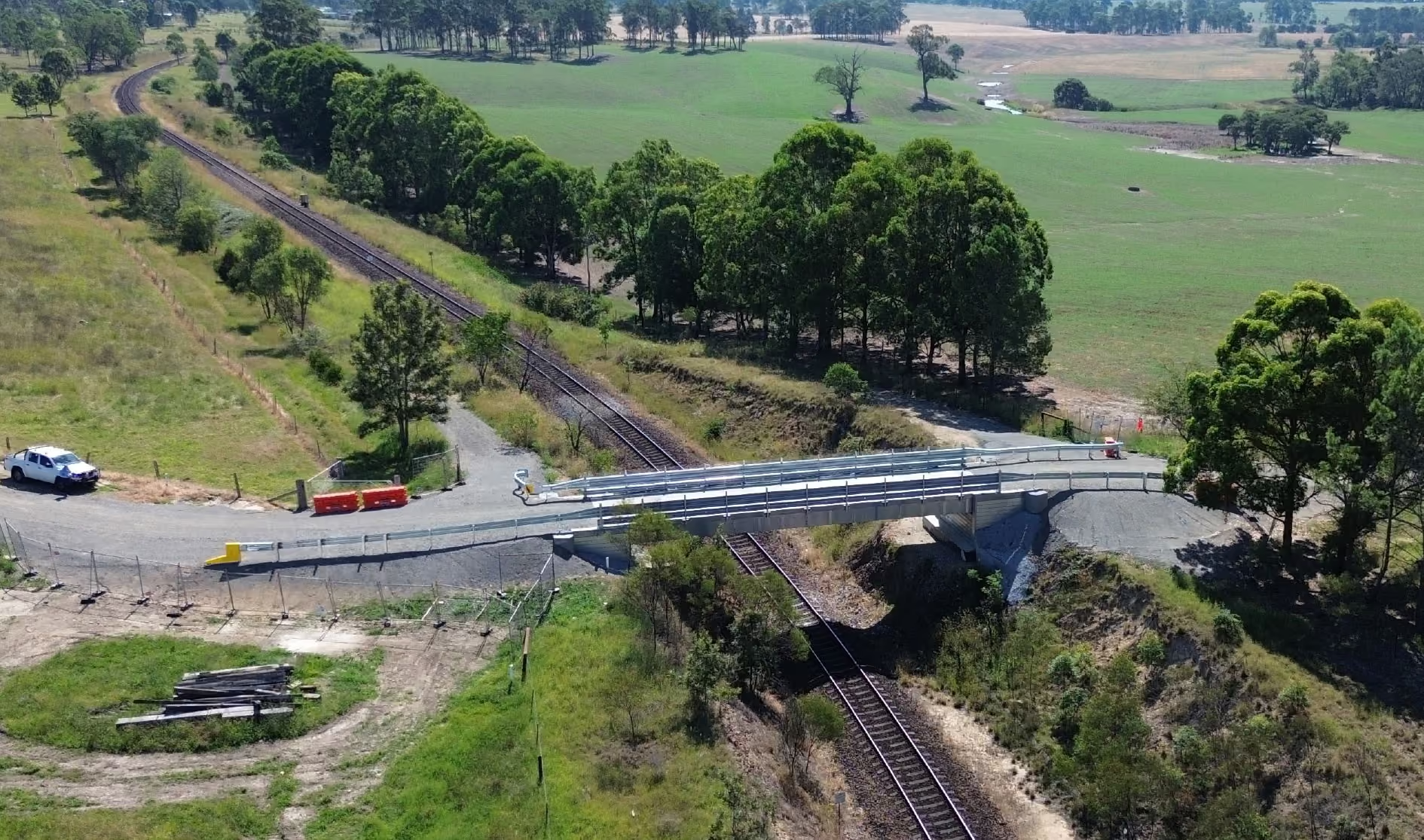
Working alongside ARTC, Martinus, and BK Engineering, InQuik® supplied three modular bridge structures, Berrico 1, Berrico 2, and Mount Pleasant Bridge along the NSW North Coast Line, enabling efficient installation within tightly controlled rail possession windows while maintaining safe and reliable rail operations.
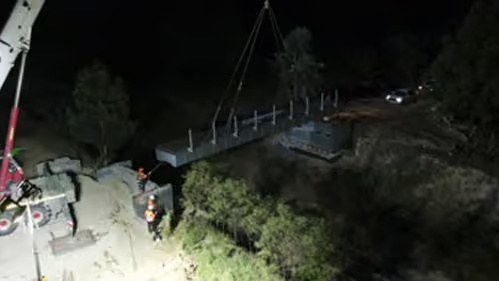
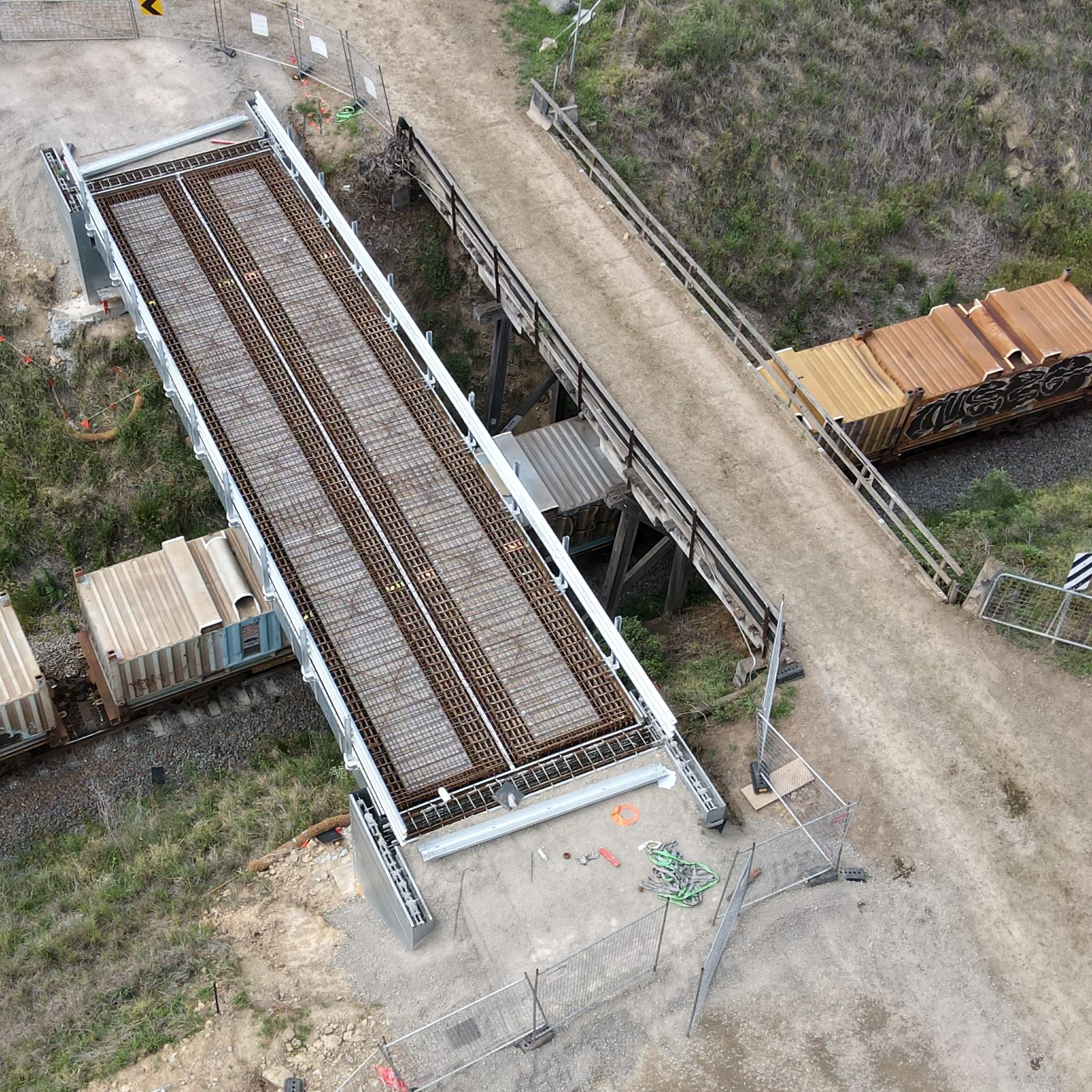
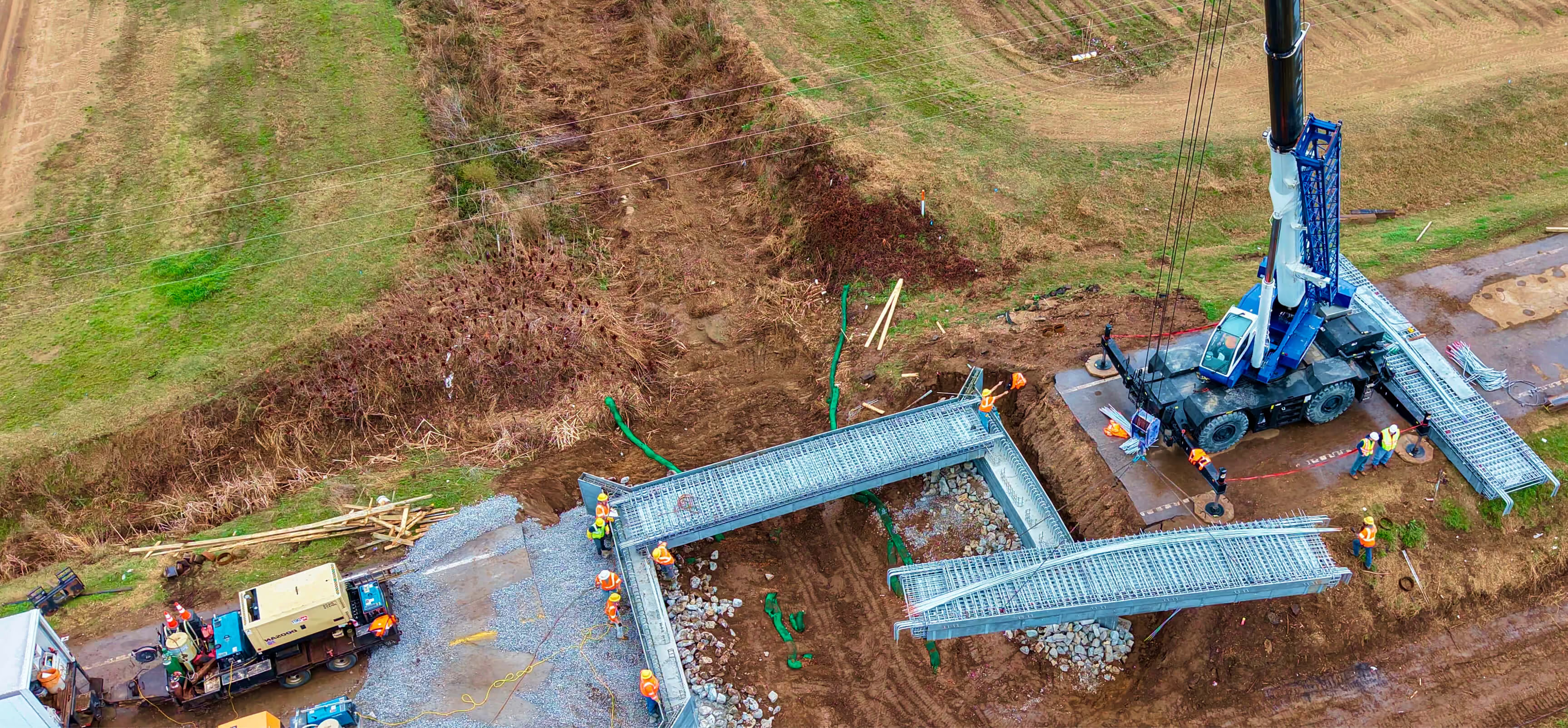

The project was delivered along ARTC's NSW North Coast Line, a 780-kilometre rail corridor connecting Sydney and Brisbane. As one of Australia's most important freight and passenger rail routes, the line supports regional communities, industry, and interstate transport movements.
The replacement overbridges were constructed at three separate locations along the corridor. Maintaining uninterrupted rail operations throughout delivery was a critical requirement of the project

Working above an active railway significantly restricted available construction methods and site access. Bridge installations could only occur during tightly controlled rail possession periods, with some works completed during overnight windows lasting as little as three hours.
The bridges also needed to satisfy demanding rail infrastructure requirements, including train collision loading criteria, while remaining practical and cost-effective for rural road users. Coordinating multiple stakeholders and maintaining programme certainty within these constraints required careful planning and execution.

InQuik supplied the design, manufacture, and installation support for three modular bridge structures specifically tailored for construction above an operational rail corridor. By shifting much of the construction process into a controlled off-site manufacturing environment, the project significantly reduced on-site activities and installation risks.
Lightweight modular components enabled efficient bridge lifts while eliminating the need for temporary supports beneath the structures. The completed bridges deliver durable, long-term infrastructure that meets rail safety requirements while supporting local traffic, agricultural operations, and future network upgrades.


